 yardie's reggae collection
- artist page
yardie's reggae collection
- artist page
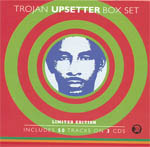
LEE "SCRATCH" PERRY / THE UPSETTERS (1936 - 2021) TROJAN UPSETTER BOX SET * * * *
Lee King Perry, Pipecock Jackson, Lee, Lee Scratch Perry, Scratch, the Upsetter : many names for one man, a living legend! Rainford Hugh Perry was born in the rural town of Kendal, Hanover Parish, Jamaica in 1936. He worked as a tractor driver, married a woman of Indian descent and circa 1961 he moved to Kingston to start a new life. Once in town he met Duke Reid, at that time the king of sound, who was impressed by Perry's lyrics. But Reid intentions were to use those lines to be played by other artists. At this point Lee joined Coxsone Dodd since there maybe he could have found better chances to emerge. Once in Dodd's Studio One, Lee started to work as a "handyman" and later as a talent scout and auditions supervisor. He also sang in some singles. Tired of Studio One, in 1966 Lee went away and worked with some others as Prince Buster, WIRL, Joe Gibbs, Clancy Eccles and Lynford Anderson. In 1968 he established his own lebel: the Upsetter. By the same year "People Funny Boy" was released. In 1969 "Return Of Django" opened the instrumentals period which was mainly inspired by "spaghetti westerns" and other B-movies. He toured with the Upsetters the UK with quite a success. Once at home Lee moved with the new partner Pauline Morrison and the growing family to Washington Gardens, at that time a lower-middle class suburb of Kingston. By the end of the 60's Lee produced what many consider the best material from the Wailers. These sessions were recorded at Randy's Studio. In late 1971 he became one of the in-house producers at Dynamics Studios, recording some Junior Byles material. In 1972 he started to experiment the new Dub sound at King Tubby's. At that time Lee felt that he needed his own premises. After searching around without success he found himself in his back yard sitting under his "Lignum Vitae" tree. A voice told him that that place was the exact spot to build his own studio. In 1973 after three months of work the Black Ark studio was finished. At the beginning (Dec. 1973) only minimum equipment was bought and the resulting recordings are marked by these limitations. Once the four tracks Teac was operative the magic started. The six years of the Black Ark produced some of the best music ever that came out of Jamaica. Everybody (almost) has recorded at the Black Ark, some seminal work was voiced, engineered and mixed there. For sure millions of miles of tape were recorded, some is lost but a lot stands as he best of the 70's Roots Reggae. By 1978 / 1979 things started to take an obsure side: Perry covered the studio with graffiti, the yard was filled by self-made junk sculptures, the atmosphere was heavy. In 1979 the studio was almost dead. 1981 was almost spent recording and performing in New York. One summer morning Lee destroyed the his legendary studio by fire. In 1983 he moved to London. Lee's career continued during the 80's and 90's on the ascendant. In 1989 he moved to Switzerland with his new wife and business manager Mireille. He never quit recording and performing. He still shines. These few words that I wrote here (based on David Katz book "People Funny Boy" on the incredible life of Perry... thanks David...) only less than a half describe this musical genius career. Lee "Scratch" Perry recorded so much material in his entire life that a one hundred discs compilation would still be not enough. This compilation by the top expert of Perry, the Californian born and London based David Katz, is a very good attempt to deliver the right impression of what Perry did. I am sure that Katz got mad when he had to choose which track was to be put in this three discs release. So, if you like something here, it is really the case that you go check, explore and search for more by yourself. In any case nuff nuff respect for Katz for the work that he did. My top praises of course go to Lee, a great great musical genius. Someone said that Scratch is mad. The final and last word about this issue goes to I-Roy: "...keep away all the gainers and karaokists. Scratch can't mad; 'im 'ave too much IQ!". Irie! Disc 1: Disc 2: Disc 3:
ARKOLOGY * * * * /
"Arkology" is a three discs (fiftytwo tracks!) collection of material recorded, mixed, overdubbed and most important of all conceived by the stellar genius of Lee "Scratch" Perry at his own studio: the legendary Black Ark, 5 Cardiff Crescent Rd, Kingston, Jamaica. Through this neverending journey you can listen to some original material recorded by some of the most important artists of the 70's, but the importance of this compilation lies in the huge number of alternative creations made by Lee Perry. An Ecoplex reverb unit, a Murton phaser, plus a 4 track Teac to record (4 tracks only!) and a Soundcraft board to mix; were the only equipment used in the Black Ark studio. Think about it. Max Romeo: "Nobody knows what techniques Lee Perry used". Nobody knows. It sounds quite clear that with some basic equipment like that, every average engineer would have produced only some basic material. But Lee Perry is not a common man and his perfect visions were recorded with only that machinary. This set collects material by Lee Perry, Lee Perry & The Upsetters, The Upsetters, Max Romeo, Devon Irons, The Heptones, The Heptones/Jah Lion, Junior Dread, The Congos, The Meditations, Junior Murvin, Mikey Dread, Errol Walker, Errol Walker/Enos Barnes, Glen DaCosta (also a member of Zap Pow), Jah Lion, Junior Murvin/Dillinger, Raphael Green/Dr Alimantado, Augustus Pablo/The Upsetters, The Upsetters Revue/Junior Murvin, Keith Rowe and George Faith. This unmissable collection was researched, annotated and compiled, by Steve Barrow, David Katz, and Trevor Wyatt (he only compiled). The first CD opens with the stellar Dub of "Dub Revolution (Part 1)" (Perry & The Upsetters). If someone approaches Perry for the first time with this first track of Arkology, at least understands that here he will be listening to something quite different and new to was he was used to. For sure. The second track is Max Romeo's classic "One Step Forward". The frightening peace of this song always catch me off guard. One of the best songs from Max, indeed. It is followed by the Dub of The Upsetters called "One Step Dub" (here presented as the extended mix). The fourth track is Devon Irons' "Vampire". A track recently covered by Sinead O'Connor (...no comments). Its following Dub is "Vampire Dub" by of course The Upsetters. The sixth track is "Sufferer's Time" from The Heptones. This is a previously unreleased take of the song released in their epochal "Party Time" album from 1977. Its following Dub from The Upsetters is called "Sufferer's Dub" (extended mix). The eighth track is "Sufferer's Heights" from Junior Dread, which is an alternate mix from the toaster of the original track from The Heptones. Follows The Congos' "Don't Blame On I". This is a previously unreleased song from the "Heart Of The Congos" sessions. Follows The Meditations "Much Smarter", in their typical effective harmony style. Its Dub is "Much Smarter Dub" from The Upsetters. The twelveth track is again from The Meditations and it is called "Life Is Not Easy" (here presented as an alternate mix). This is a gem and it is followed by its previously unreleased Dub version from The Upsetters called "Life Is Not Easy Dub". The fourteenth song is "Tedious" from Junior Murvin. This extended mix brings more strength to the version released in his 1977 "Police & Thieves" album. Follows the classic "War In A Babylon" from Max Romeo. Its Dub from The Upsetters is called "Revelation Dub". The seventeenth track is "Mr. President", from The Heptones and Jah Lion. This highly strong version is something that states what Perry was able to do once facing a stellar track chemically blossomed by the touch of the great Jah Lion on top. The first CD closes with Max Romeo's "Chase The Devil". Since this is not enough here comes the second CD. It opens with the wonderful creation from Lee: "Dreadlocks In Moonlight". This is followed by "Dread At The Mantrols", a version by the great Mikey Dread. The third song is "In These Times" from Errol Walker, versioning Gershwin's "Summertime". Followed by The Usetters' Dub "In These Times Dub, both belongs to that big amount of tracks that made the Black Ark an unique spring of revolutionary sounds. The fifth song is "Norman" from Max Romeo and Jah Lion. Here presented in its extended mix, it allows more space and force to the version released in Max' acclaimed "War In A Babylon" 1975 set. The version presented here (8:35 minutes of pure heaven!) is one of the top tracks in this compilation. Follows the Junior Murvin's classic "Police And Thieves". The seventh song is "Magic Touch" from Glen Dacosta (Zap Pow), a version of "Police And Thieves". Again Murvin's classic is reprised on the eighth track. Here is Jah Lion's turn with "Soldier & Police War". Follows "Grumblin' Dub" by The Upsetters with thier interpretation of that classic. The tenth track comes again from Junior, as again an alternate take of this classic. This time it is called "Bad Weed". The eleventh track comes from Errol Walker and is called "John Public". Straight, strong and confident, Errol delivers what would not have being recorded elsewhere. The Black Ark sound. This track is followed by "John Public Version", a version by Enos Barnes and Errol Walker. The thirteenth track comes from Junior Murvin and Dillinger. This is an extended mix of "Roots Train", which appeared as the opening track of Junior's "Police & Thieves" set from 1977. This version features Dillinger toasting on the second half. The following track is "No Peace" from The Meditations. A powerful and quite deep track from the harmony group. Its Dub from The Upsetters is called "Peace A Dub". The sixteenth track is called "Rasta Train" and is performed by Raphael Green and Dr. Alimantado. The last track is Party Time (Part 2) by The Upsetters. This highly alternate track is based on the stellar "Party Time" by The Heptones. The third CD opens with "Vibrate On". This sulphurous track comes from Augustus Pablo and The Upsetters. It is followed by its heavy Dub called "Vibrator". The third track is the misterious "Bird In Hand". This incredible track is some sort of psychedelic Nyahbingi voyage in the deep of Jamaican African heritage. A stellar track that only soneone as "Scratch" could concieve. Follows a version of the classic "Congoman" from The Congos. But this is not the version choosed to appear in their "Heart Of The Congos" seminal album. This alternate vocal take is far darker, adding even more edgy stength to the original. The fifth track is "Dyon Anasawa", the classic opening of "Scratch" "Return Of The Supe Ape" album. The track is credited to The Upsetters featuring Full Experience. Please refer below for further details about this album. The sixth track is "Rastaman Shuffle" from The Upsetters and Dillinger. Follows "Why Must I Version", an alternate vocal take to the same song from The Heptones that appeared in their "Party Time" album. The scat is provided by The Upsetter himself. The eighth track come from The Heptones and it is called "Make Up Your Mind", an outtake from the "Party Time" set. This is not a bad track but actually it would not have fit in the whole atmosphere of that wonderful release. Maybe Lee thought the same and choosed to not include it there. Follows Junior Murvin's "Closer Together". The tenth song is "Groovy Situation" from Keith Rowe. This beautiful Roots is that kind of track which alone explains why I totally love Roots Reggae. Ten stars for this song. Follows its Dub by The Upsetters called "Groovy Dub". The twelveth song is "To Be A Lover" by George Faith. Follows "Soul Fire". A Perry song which opens his "Roast Fish Collie Weed & Corn Bread" set from 1978. The following is "Curly Locks" from that same album and of course originally cut by Junior Byles. The fifteenth track is "Feast Of The Passover" from The Congos.The following song is "Roast Fish And Cornbread", the title track of the album mentioned above. The CD closes with its Dub called "Corn Fish Dub" by The Upsetters. So here we are at the end. This is a huge compilation presenting a lot of material inside of which there are many shining gems. Considered a classic compilation, "Arkology" for sure deserves this status. Steve Barrow, David Katz, and Trevor Wyatt made a great job. As always I am used to underline my preferred tracks in red. Some will agree, some will not. What is for sure is that Lee Perry is an enormous cornerstone inside the Jamaican musical history. He will be remembered forever worldwide. Lee "Scratch" Perry's musical experiments discovered new musical escapes and territories unknown in the mid 70's, and unknown even today. Yes Scratch,... always busy, managing your Reggae! Reel One: Dub Organiser Reel Two: Dub Shepherd Reel Three: Dub Adventurer
WORDS OF MY MOUTH * * * * /
This collection of twentytwo tracks presents some material from the seminal period between 1973 and 1975 when Lee Scartch Perry was cutting some of his best efforts (by the beginning of 1974 the Black Ark studio was operative). Even if the cover reads "Various Artists", I decided of course to file this release under Lee Scartch Perry's page since he is the one responsible for the final result. There is infact no doubt that whatever track you consider, it would have been far far different if it was managed by some different producer. As we know Perry's sound was unique and those that tried to re-create it landed nowhere. This highly interesting collection opens with three cuts of "Words Of My Mouth". The opening version (1973) is from the Gatherers and it is based on their harmony vocals approach. This is followed by a version from The Upsetters ("Words Of My Mouth - Version") and here appears for the first time in a collection. Perry works on the track in his classic innovative way, adding a special touch by putting on front the chorus. The third version is called "Kuchy Skank", wich is actually even more powerful with its heavy bass line to underline the hypnotic atmosphere. "Rejoice In Jah Jah Children" is a great track from the Silvertones, the slow vocal part is delivered over a quite rocking base with a mesmerizing result. Follows the version from The Upsetters. All the tracks mentioned up to here were recorded in various studios with the effects added at King Tubby's. "Bushwood Corntrash" (1975) is a heavy five stars slow deep Roots song by the duo Bunny & Ricky. A great tune. The Upsetters version it with "Callying Butt", heavier than heavy. After this "Da Ba Day" and "Kiss My Neck", also from The Upsetters, provide some intersting instrumentals. "Curley Locks", along with its version called "Dreader Locks" (accredited to Lee & Junior) from Junior Byles were and are a classic. Follows "Many A Call" from the Unforgettables. Bunny & Ricky are back again with "Too Bad Bull", which is less impressive than the stellar "Bushwood Corntrash". Follows the version by The Upsetters. "Fist Of Fury" is a track from Lee Perry dated summer 1974. "Herb Vendor" comes from the great drummer Leroy "Horsemouth" Wallace. He sings and toasts over a Leroy Wallis rhythm. Amazing. Follows "Cane River Rock" (1974) from The Upsetters, structured over the "Tighten Up" rhythm. Fast and joyful. "Riverside Rock" versions the latter adding even more textured open spaces. Lee knew how to use the mixingboard!. An almost psychedelic track. Lee comes back with a gem: "Stay Dead" (a five stars cut). In 1973, lightyears ahead Perry recorded the soulful funky "Kentucky Skank". An everlesting masterpiece! This is followed by its version called "Bathroom Skank", genius Perry. The former talks about fried chicken and the latter about washing yourself! Perry is a genius. The CD closes with "Spiritual Whip" (1974) from Jah Lloyd. The intention of the editor Chris Prete (as stated in the leaflet) was to "provide a contrast" between the tracks recorded at the Black Ark and those cut in other studios. This statement does not create any misunderstanding about the fact that some important work was done by Lee Perry during this crucial period. Whatever the studio, the material cut was most of the times very good and when it happened that it was recorded at the Black Ark the result was mainly first class. Some tough and highly good Roots, plus some gems from Perry make this collection unmissable. 01. Words Of My Mouth
- The Gatherers
VOODOOISM * * * * /
"Voodooism" is the first part of a three releases cicle from Pressure Sounds label. Considered by many a first class collection, it actually is. Made entirely of rare vinyls, it was approved by the Upsetter himself. So it must be interesting for sure. The twenty tracks presented here cover a two years period, from 1975 to 1977 and are all rare pearls recorded at the legendary Black Ark, 5 Cardiff Crescent Rd, Kingston, Jamaica. Most of these tracks were released only in Jamaica. The set opens with "Psalms 20", by one James Booms (a.k.a. James Brown) who sing-jays over a rhythm used in the stellar "Super Ape" album. This track is followed by its Dub version from the Upsetter as "Proverbs Of Dub". The third track is the higly strong and fast "Better Future". This song from early 1977 comes from the man known as Earl George "Bagga" Walker. A former member of The Gatherers, that cut for Perry the 1973 hit "Words Of My Mouth", Walker would joy the Boris Gardiner Happening in 1975 and becoming a resident musician at Coxsone Dodd's Studio One. In 1977 he cut for Perry three songs: "John Public", a version of George Gershwin "Summertime" and "Better Future". What a song! Again the track is followed by its Dub, called "Future Dub" by The Upsetter. The fifth track called "River" is performed by Zap Pow and is followed by its Dub called "Rive Stone" by The Upsetter. The seventh song comes from Earl Sixteen and is called "Freedom". Also a former member of Boris Gardiner Happening band, he started to visit the Black Ark around late 1976 where he cut some good material in the years to come. Also known as "Right Now", "Freedom" is a pure gem from the Ark. As with the previous tracks, it is followed by The Upsetter's Dub called "Right You". The nineth song is called "Mash Down" and is performed by the harmony group called Roots. The debut single was called "Look Around" and was produced by one Sean De Laire, who later made them cut the song presented here. Follows a song called "Africa" from The Hombres, a group leaded by one Winston Heywood, were Ansel Cridland from the Meditations performed for a brief moment. Follows its Upsetter Dub called "Foundation Dub". The twelveth song is "Voodooism" from Leo Graham. He started in the late 60's as leader of the Overtakers, cutting singles for Perry and Joe Gibbs. And later in 1969 he formed The Bleechers, again helped by Perry. It is followed by the Upsetter Dub called "Dubism". The fourteenth is the deep Roots "African Style" from The Black Notes. The rhythm comes from the Augustus Pablo produced sessions for Hugh Mundell's "Africa Must Be Free By 1983" album (1978). It is followed by the Upsetter Dub called "African Style [Version]". Follows "Rasta Train" and "Yagga Yagga" credited to Lee & Jimmy. Lee is of course Perry and Jimmy is Jimmy Riley. The former track is a version of Ken Boothe's "The Train Is Coming". The eighteenth song is "Rise and Shine" credited to Watty & Tony. The former is Watty "King" Burnett (member of the Congos), and the latter is Clinton Fearon. Follows "Wolf Out Deh" credited to Lloyd & Devon (1977). The former is Lloyd Robinson and the latter is Devon Russell. The set closes with its edgy Dub called "Shepherd Rod", as usual from The Upsetter. This is unmissable material from the Black Ark. 01. Psalms 20 - James Booms
PRODUCED AND DIRECTED BY THE UPSETTER * * * *
"Produced And Directed By The Upsetter" (released in 1998) is the second part of the trilogy of collections initiated with"Voodooism" by Pressure Sounds label in 1996. This time it spreads a larger period than its predecessor, here covering a period from 1973 to 1978. This collection presents ten originals, each one followed by their Dubs created by the genius of Lee "Scratch" Perry. The set opens with "I Man Free" from Watty "King" Burnett (member of the Congos). Follows its Dub called "Free Man", higly substained by a trombone and the organ of Glenroy "Glen" Phillip Adams. The third track is called "Zion" by The Flames. The group is maybe an early incarnation of Winston Jarrett And The Righteous Flames. Its Dub is called "Zion (Version)". The fifth track comes from Easton Clarke and is called "Bike No Licence" (1975). Its Dub is "Unlicenced Dub". Follows The Heptones' stellar "Crying Over You". This version released as a single is not the same one issued in the five stars "Party Time" album from 1977. Its wonderful Dub is "Crying Dub". The nineth song is "Financial Crisis" by The Silvertones. And is followed by "Financial Dub". The eleventh song is a great version from Junior Murvin of his classic "False Teachings". This version is not the one issued in the highly acclaimed "Police And Thieves" album from 1977. And is followed by the dreadful Dub of "Teachers Dub". The thirteenth song is "Backbiting" by Winston Heywood and the Hombres. It is followed by "Chastising Dub". The fifteenth track is the Nyahbinghi spiced "Houses of Parliament" by The Meditations, followed by "Dub of Parliament". These tracks are followed by George Faith's gem called "Guide Line" and its Dub called "Dub Line". This 7" did not appear in "Super Eight", nor in "To Be A Lover", both from 1977. The compilation closes with Junior Murvin again presenting a song called "Philistines on the Land" and its Dub "Bingo Kid". The former is a version from Junior of his immortal "Police And Thieves". Without an entire set of high quality tracks as with the "Voodooism" compilation, this second chapter deserves the right attention and is in any case a must-have companion to it. 01. I Man Free - King
Burnett
DIVINE MADNESS * * * * /
"Divine Madness" is the third and final chapter of a trilogy compilation from Pressure Sounds label. Presenting seventeen tracks, it also delivers a second CD containing a twentysix minutes interview with Lee Perry by Steve Barker and Roger Eagle. Actually the interview is a compilation of three different interviews originally broadcasted by the BBC Radio Lancashire show called On The Wire in 1984, 1986 and 1991. Let us start from disc one. The material collected here covers a period from 1974 to 1978, and the most part of it was not released outside of Jamaica. The set opens with D.D. Dennis' "Woman and Money". This rhythm was cut in London with a group called Greyhound in 1973, later Perry worked on it in Jamaica and back in London called Denzil Dennis to voice it. It is Dubbed by The Upsetters as "10 Cent Shank". The third song is "River to Cross" by the Viceroys. Follows "Sweet Taste of Memory" from Milton Henry. Milton cut "No Bread & Butter" in 1969 and later in 1973 he recorded "This World" (accredited as King Medious and based on the "Fever" rhythm). Both songs were cut for Perry. Follows Eric Donaldson's "Stand Up" (1977) and its Dub version called "Dub Fa Yah Rights". Donaldson's big 1971 hit was "Cherry Oh Baby". The seventh song is "So Many Ways" by Reggie Antonie. It is followed by its Dub called "So Many Skanks". Reggie's track is an old Rocksteady rhythm treated and updated by a global distant sound mood that gives it an almost Dub atmosphere, even if it is not actually a Dub track. Quite frightening. The nineth song is a 1973 cut of "Africa We Are Going Home". Performed by Time Unlimited (a group including Glassford Manning, Orville Smith and Junior Delgado), this is a classic rhythm, that is followed by its Dub version called "Africa Dub". The eleventh song is performed by Bree Daniels and is called "Oh Me Oh My" (1977). Its Dub is "Oh Me Oh Dub". Follows Ralph Haughton & The Ebony Sisters' "Take Warning", that is perfectly Dubbed as "Warning of Dub". With the fifteenth song it is time for Jimmy Riley's "Sons of Negus" and its Dub, "Kingdom of Dub". The founding member of The Sensations and later of The Uniques, delivers an admonition to the false Rasta around. Strong and dreadful this track is a gem (maybe the best choice here). The compilation closes with Augustus Pablo & The Upsetters' "To Be a Lover in Dub". This is a 12" version of George Faith's "To Be A Lover". Here we are finally with the end of a trilogy presenting some specials, cut at the Black Ark and unavailable on CD up to now. The material presented here should be listened and appreciated along with the "Voodooism" and "Produced And Directed By The Upsetter" compilations. The three of them deliver some unmissable songs and Dubs. But now is time for disc two with the interviews. So let us check it out. As stated they were recorded in 1984, 1986 and 1991. Through twentysix minutes Perry enlights and shines with his self-induced aura of madness and total straight reasoning at the same time. But as we perfectly know Lee is not crazy at all. His is only, from time to time, playing a role that he contributed to create and enjoys a lot. This is the mastermind of Lee "Scratch" Perry. One man, one sound, thousands different spiritual results. Disc 1: Disc 2:
SOUND SYSTEM SCRATCH - LEE PERRY'S DUB PLATE MIXES 1973 TO 1979 * * * *
Legend has it that by the end of the 60s Osbourne
"King Tubby" Ruddock
was cutting some Rocksteady acetates at Arthur "Duke"
Reid's Treasure Isle studio. The tapes were two tracks mono
and they were intended to be cut and used on his own sound system
King Tubby's Home-Town Hi Fi. Without paying too much attention
he mistakenly turned off the vocal channel on one of the two.
Once at the dance his selector played the acetates but no voice
came out. History was changed forever. In 1973 Perry's legendary
Black Ark was open and operative. After earning some money with
Susan Cadogan's "Hurt So
Good" and Junior Byles'
"Curly Locks" British succesful releases, Lee updated
the studio equipment and things really started to be pushed beyond
the edges reached so far. The present set collects twenty Dub
Plates from this unique part of life as producer and inventor
of absolutely new musical territories. Some tracks are more or
less easly referable to well known material, others are far more
deepened and deconstructed to the point of making the so called
"originals" almost a faded memory. In any case the result
is perturbative! Mesmerizing and transfixing! What happened and
was conceived in the Black Ark was something extraordinary and
unique, beyond what was circulating at that time. But even later
no one reached the Black Ark higher hights.
THE RETURN OF SOUND SYSTEM SCRATCH - MORE LEE PERRY DUB PLATE MIXES & RARITIES 1973 TO 1979 * * * /
"The Return Of Sound System Scratch" is some sort of "Sound System Scratch" part two. Almost all the tracks collected here come from the Black Ark era. Again as with the previous collection some tracks are strongly elaborated up to the point of being something highly different from the originals. Some other tracks are not completely finished but still remain some strong proof of what Lee Perry was able to conceive in his studio. These are not exactly the kind of collections the new comers will fall for, maybe only a couple of tracks will result impressive at the first listening. But once ingaged in a wider perspective of Perry's art you will better understand his genius and the quality of the material presented here. 01. Righteous Land – Aleas
Jube (previously unreleased)
THE SOUND DOCTOR - BLACK ARK SINGLES AND DUB PLATES 1972 - 1978 * * * /
"The Sound Doctor" is another serious collection of Lee "Scratch" Perry's material from the Black Ark. It closes what can be considered the second trilogy by the British Pressure Sounds label, that includes "Sound System Scratch" and "The Return Of Sound System Scratch". The previous trilogy was of course made of "Voodooism", "Produced And Directed By The Upsetter" and "Divine Madness". But that was a different story. This collection from the vaults of the Upsetter presents twentyfour tracks. The set opens with the powerful Delroy Butler' "Oppression". Follows Junior Byles' "Army of Love", a previously unreleased song recorded in the early 70s. Follow three tracks based on "Pressure And Slide" rhythm, whose title comes from a sigle of the Tennor of the Studio One era, originally based on Prince Buster's "Shaking Up Orange Street". The first is the strong "Wam-Pam-Pa-Do" by Dillinger, it's followed by the even more powerful "Sound Doctor" by Bobby Floyd and "Doctor Skank" again by Dillinger (on the original label he is credited as Young Dellinger). The sixth track is a instrumental by the Upsetters called "Horny Train" and based on a old rythm called "Roots Train No.1". Follows Al Maytone's "Do Good". The eighth track is the deep "Different Experience" by Brother Roy. The nineth song is Tinga Stewart's "Smiling Faces", covering the Temptations' American Soul hit with the same name. It is followed by a version by Hux Brown Group, simply called "Smiling Version". The eleventh song is "Be Prepared" by Keith Poppin. Follows URoy "006", a toaster version of Junior Byles "Auntie LuLu", also featuring Augustus Pablo on melodica. This track appeared in the UK overdubbed by Trojan records, but here is presented the original version. The thirteenth song called "Key Card" is a combination of Lee Perry and Jimmy Riley and is followd by its version by The Upsetters called "Domino Game". The fifteenth song recorded in 1975, "Message To The Nation", comes from Clinton Anthony Fearon (here credited as Tony Fearon), original member fo the Gladiators. It is followed by its version by The Upsetters called "Dub Message". The seventeenth track is "Water Your Garden" by The Flames. Follows Chenley Duffus' "Standing On The Hill". The next track is "Start Over" by The Gatherers. Follows The Ethiopians (but there are some doubts about it from Pressure Sound) with "It’s Impossible". The twentyoneth song, "Grandfather Land ", is from a obscure artist called Jah T. Follows Pat "Jah Lion" Francis with "King of Kings" and The Upsetters version called "King of Kings Version". The compilation closes with "To Hell and Back" by Count Sticky & The Upsetters (on the original label Sticky is credited as Count Stocky). The old Mento hit maker talks over a rhythm by Junior Byles called "Pharoah Hiding". This compilation is basecally "sufferars" music. Perry worked extensively with ghetto artists to provide them the necessary exposure to be able to denounce the miserable conditions of the lowest class in Jamaican society. Most of the times here the lyrics are for more important than the music. Do not forget it. This is the perfect companion to the two other compilations mentioned above. 1. Oppression - Delroy Butler
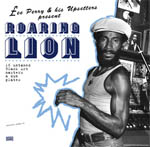
ROARING LION - 16 UNTAMED BLACK ART MASTERS & DUB PLATES * * * /
This material presented in this collection of "16 untamed Master and Dub Plates" was recorded in 1976. Two years after his legendary Black Ark Studio was opened, 1976 was one of those peak years when tons of tracks and miles of tapes were recorded, mixed and remixed with a neverending creative process. So at the end this is just a small glimpse of what happened almost everyday in the Studio. Most of the tracks are previously unreleased versions. There are three tracks from the toaster Jah Lion (aka Jah Lloyd, born Patrick Lloyd Francis), whose "Colombia Colly" produced by Scratch and recorded at the Black Ark in 1976 was arguably his masterpiece. The tracks are these: the opening "Truths and Rights" is a version of Winston Heywood & the Hombres' "Backbiting"; follows the strong "Roaring Lion" (featuring Augustus Pablo's melodica); the third track is "Generation From Creation" based on the Hombres "Africa". The Fantels "Stand and Look" and its Dub version "Rocky Road Dub" are here presented in their original versions. Along with these tracks mentiond above, "Roaring Lion" presents six Dubs. "Emotional Dub" is a stellar Dub of Junior Murvin's "False Teaching". "Rocky Road" is based on "Stand and Look". Other Dubs are "Dub Stand", "Big Gal Sally" and "Big Boy Wally". The bonus tracks are these:"Beat Down Comrade Man" from Junior Byles & The Upsetters. "Loco Negril" based on Althea & Donna's magnificent "Uptown Top Ranking" is like psychedelics Reggae. Crazy stuff. Last but not least at all, there is the stellar and 5 stars "Natural Mystic" by Bob Marley and the Wailers. Plus the Upsetter, of course! This is the original Dubplate mix cut in 1976. So, this is it. As said, this is a glimpse. Exhaustive? Not from my point of view. Worth the price? For sure! But I think that for those that are not hard-core connoisseur of Lee, maybe it's better to start with other fantastic releases by the same acclaimed British label Pressure Sounds. Therefore read and check above in this page. This compilation that deserves the right attention will be fully appreciated by music lovers that know already very well the importance of Lee "Scratch" Perry inside the story of Jamaican music and what he was able to conceive. 01. Truths and Rights - Jah Lion & The Upsetters
MR PERRY I PRESUME * * * *
British "Pressure Souds" label is back with another collection of tracks from the mighty Lee "Scratch" Perry. So another effort scratching the barrel? Not at all! This is a very poverful collection of previously unreleased mixes. Here there are some very powerful tracks. With the exception of "Word" (The Gatherers) cut in 1973 at Dynamics and "Sun Is Shining" (The Upsetters) cut in 1971 at Randy's with Errol Thompson engineering, all the material was recorded at the legendary Black Ark Studios, 5 Crescent Gardens, Kingston 20 between 1974 and 1977. The tracks are remixes of Perry productions and obscure tunes which were intended exclusively for the Sound System jamaican scene. The peak is represented by the super powerful "Groovy Situation" by Keith Rowe and The Upsetters. False start gives shivers. Obscure, slow and very deep. "Sun is Shining" features the homonymous song from Bob Marley and the Wailers. Junior Murvin's "Police And Thieves" Dub "Police and Dub" is intersting but inferior to the Dub of the classic Max Romeo's super hit "I Chase The Devil". Finally I must mention three great deep mixes from Perry: "Jah I" (credited to The Upsetters) and "Along The Way" from Noel Robinson (plus its Dub by the Upsetters. So here are some gems from the genius Lee Perry for you. Very stong collection.
BLACK ART FROM THE BLACK ARK waiting
Waiting:
SIPPLE OUT DEH - THE BLACK ARK YEARS - THE JAMAICAN 7"S * * * *
As you will find in any commercial music shop around the world, there are tons of Lee Pery compilations around. With very few exceptions most of those collections are not worth their price: basecally they offer the same tracks over and over, and often the sound quality is also quite poor. But in 2010 this release from Trojan exceeded the expectations. It presents obviously the "usual suspects", but fortunately there are also some gems not so predictable. So let us explore the content of this collection. DISC ONE opens with "Enter The Dragon" (1974) (Lee Perry & The Upsetters), a track from his "Kung Fu meets The Dragon" Lp from 1975 and originally created for Joy White's "Lady Lady". The second track presents Susan Cadogan's unique voice with "Hurt So Good" (1974) . This is version of Millie Jackson's Rhyth & Blues single "It Hurts So Good" is backed by Boris Gardiner's band Happening, a studio ensamble that would have provide tens recordings for "Scratch". Along with "Do It Baby (Aka Nice & Easy)" (1974), also collected here, this song will be collected in Cadogan's "Hurt So Good" Lp from 1975. Follows "Babylon A Fall" (1974) by Derrick "Watty" Burnett, one of The Congos. The fouth track is Junior Byles' stellar "Curly Locks" (1974). One of Byles most touching songs but also among the best work produced by Perry. This masterpiece was imitated by Barrington Spence (produced by "Prince" Tony Robinson) as "Grow Your Locks". It failed to hit but Big Youth's "House Of Dreadlocks" did. Immediately Perry and Byles replyed with the powerful "Dreader Locks" (1974) (the fifth track here). Follows "Stay Dread" (1974) by The Upsetters. This mesmerizing track flows on the rhythm of Jimmy Riley's "Sons Of Negus". After the above mentioned "Do It Baby (Aka Nice & Easy)" (1974) follows maybe the best gem ever delivered by Junior Byles: "The Long Way" (1974). The song was co-written with Glen Adams. The nineth trak is Max Romeo's "Three Blind Mice" (1975). Commenting a police raid on a Sound System it is followed by King Tubby's version named "Three Times Three" (1975). The eleventh song is Perry's "Bury The Razor" (1975). Follows "Down Here In Babylon" (1975) by Brent Dowe, a former member of The Melodians. Max Romeo worked on background vocals along with Trevor McNaughton (also former member of The Melodians), Harris "B.B." Seaton and Maurice Roberts (also former member of the Gaylads). Follows the great "Be Thankful For What You've Got" (1975) by William "Bunny Rugs" Clarke. He is back here with the fifteenth track called "Bushweed Corntrash" (1976) credited to Bunny & Ricky. A very deep classic from the Black Ark. The latter a former member of the Afrotones and the Gaylads. In between there is "Woman's Gotta Have It" (1975) by Martin "Jimmy" Riley, a former member of the Sensations and the Uniques. Follows "Roast Fish & Corn Bread" (1976) by Perry. The seventeenth song is "Sipple Out Deh" (1976) which is the original mix of Max Romeo's "War In A Babylon", which is of course far interesting than the UK version. Follows Linval Carter's (also known as Prince Jazzbo) wonderful "Ital Corner" (1976), based on Max Romeo's "One Step Forward". This track along with other tracks cut in one session at the Ark will appear in Jazzbo's seminal "Natty Passing Through" (also known as "Ital Corner") Lp. The nineteenth track is the classic "Police & Thieves" (1976) by Junior Murvin. Follows Lee Perry's "White Belly Rat" (1976), a verbal confrontation against Bunny Lee. The twentyoneth song come from the stellar Heptones and is called "Sufferer's Time" (1976). Follwos Junior Dread's "A Wat Dat" (1976). The first disc closes with Gregory Isaacs's "Mr. Cop" (1976). Unfortunately the only collaboration between the two. DISC TWO opens with "Vibrate On" (1977) by Augustus Pablo, a deep track filled with a series of oberdubs tipycal of this Black Ark era. Follows the wonderful "Better Future" (1977) a song by the bass player Errol "Bagga" Walker. The third track is another gem: The Heptones's "Mistry Babylon" (1977). Follows "Stand Up" (1977) by Eric Donaldson. The Meditations deliver "No Peace" (1977). The sixth song is "Ethiopia Land" (1977) credited to Pete & Paul Lewis. Leo Graham delivers "My Little Sandra" (1978), Leo knew Perry since 1967 when he was part of the Overtakers, a Rocksteady vocal trio that recorded briefly. Follows Lord Sassafrass' "Green Bay Incident" (1978), a commentary on the Green Bay Massacre when on January 5th 1978 a Military intelligence unit brutally killed members of the JLP Party backed POW posse. Perry employed Michael Johnson (also known as Lord Sassafrass) to deliver his comment on these events using his own "Big Neck Police". The Meditations are back with "Think So" (also known as "Much Smarter") (1978). The eleventh song is "Home Gard" (1978) from Michael Campbell (better known as Mikey Dread). Dread cut two other singles with Lee: "Home Guard", that came before the single presented here, and the famous "Dread At The Controls" taking its name from his own the late night radio show. The latter was based on the rhythm of a song called "Free Up The Prisoners" which was based on Clancy Eccles' "Feel The Rhytm" from 1968. The eleventh track is "Travelling" (1978) by Debra Keese & The Black Five. This song will be used again by Perry along with Lord Sassafrass to furtherly comment on the Green Bay Massacre (Green Bay Inquest). Follows Shaumark & Robinson's "Peace And Love" (1978). Mikey Dread is back with his above mentioned "Dread At The Control" (1978). The fourteenth song is the deep Roots of "Forward With Jah Orthodox" (1978) by the Mystic I. Follows "Land Of Love" (1978) by the The Sons Of Light. The sixteenth track come from The Black Shadows and is clled "Brother Noah" (1978). Follow "Thanks And Praise" (1978) by Junior Ainsworth and "Mr. Money Man" (1978) by Danny Hensworth, both interesting tracks from two artists that did not reach the deserved long term success. Junior Murvin is back with "Cross Over" (1978). A track cut with the involvement of Watty Burnett and "Scratch"' son, Sean. The penultimate song is the great "Guideline" (1978) by Earl George Lawrence, better known as George Faith. He had already cut some singles for different producers in the previous years without reaching a proper success. His first cut for Perry was a single called "I Forgot To Be Your Lover" from 1977. This track along with further singles will be released together as his debut album with the same name. Further sessions were planned but unfortunately only "Guideline" was released. The collection closes with The Heptones' classic "Babylon Falling" (1978). With fourtyfour tracks on two CDs and 156 minutes of total running time (!) the new comers will get an interesting glimpse that will help them to undestand why when speaking or reading about Reggae, Lee Perry is regarded among the most important protagonists. For the more "educated" or acquainted listeners this will also be a pleasing collection. This is indeed a strong collection not to be overlooked! Disc 1: 01. Enter The Dragon - Lee Perry & The Upsetters Disc 2: 01. Vibrate On - Augustus
Pablo
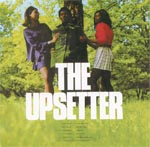
THE UPSETTER * * *
Lee Perry started to work for Studio One in the early 60's but in 1966 he quit Coxsone Dodd' studio to start some new adventures. He worked with Prince Buster, engineered at WIRL but soon quit as Bunny Lee moved in. After these experiences he worked for Joe Gibbs and assumed the nickname The Upsetter. Accusing Coxsone Dodd of abusing his services, Perry decided to upset the Studio One boss. Lee released "People Funny Boy" in 1968 shifting the sounds to new territories. He soon formed the Upsetter label, operated by his Upsetter Record Shop in downtown Kingston, and former Prince Buster's Record Shack. The music produced was played by The Upsetters. This group was formed by some members of The Beverly's All Stars: Jackie Jackson on bass, Hugh Malcolm on drums, Hux Brown on guitar, Gladdy Anderson on piano and Winston Wright on organ. Perry cut material with The Ethiopians, Mellotones, Inspirations, Termites, Righteous Flames (see Winston Jarrett's page), David Isaacs, Busty Brown and Burt Walters. His main focus around the time became essentially instrumentals. Between 1968 and 1969 Perry released around twenty singles for the British Trojan and Duke labels. Trojan established British branch of Perry's Upsetter label and the debut Upsetters album was released in November 1969. Almost all the tracks are instrumentals. Busty Brown sings a version of the Bee Gees "To Love Somebody", The Muskyteers (aka The Silvertones) version Brook Benton's "Kiddy-O" (Delroy Denton is on vocals). And finally Busty Brown sings a Blues song called "Crying About You". This re-release adds some bonus tracks. The bonus part opens with the original version of "Tidal Wave" called "He'll Have To Go" and performed by David Isaacs. The second track is the original of "Soulful I" called "Since You're Gone" and also performed by Isaacs. The third is the original of "Heat Proof" called "Hard To Handle" and performed by Carl Dawkins and based on Otis Redding "Too Hot To Handle". The fourth is "Endlessly", originally the flip side of "Kiddy-O" by The Silvertones. The remaining four tracks are previously unreleased tracks by The Upsetters. This set even if it represents a sour attempt to create a new sound, is the first step inside the incredible career of one of the most important figures of the Jamaican music. "Scratch" started here, demonstrating his own personality, always far from the main safe directions taken by other producers. CD re-release with bonus tracks (2003):
THE RETURN OF DJANGO * * * /
In 1968 - 1969 Early Reggae was most of the times synonymous of instrumental tracks. That late 60's period was extraordinary since it was filled with an experimental attitude. Ska was gone and Rocksteady seemed to have expressed all that it was able to. The instrumental bands had a great impact as they brought new blood to the sounds. The Upsetters, with their leading man the producer Lee Perry, were one of them. Coxsone Dodd and Duke Reid had to be challenged and Perry, a former Dodd employee, was one that tried to change things. "Return Of Django" (1968) was the first real attempt after the debut "The Upsetter" from the same year. The song "Return Of Django", originally a vocal hit from 1957 called "Sick And Tired" and written for a Fats Domino contemporary, one Chris Kenner; was firstly versioned by Perry with the group Gladdy's All Stars. He renamed it "Return to Django" after the hero of the Spaghetti Western movie ("Django") directed by the italian Sergio Corbucci. The tune did not sold well but it was a success in UK. A tour was scheduled. Perry choosed for the Barrett brothers (Aston and Carlton), Alva "Reggie" Lewis (guitar) and Glen "Capo" Adams (organ). The tour was a success and Trojan decided to release a set. The content, as with the title track, is made of instrumentals. This album is a good start to understand what was going on by the end of the decade, and especially Lee Perry moves. This reissue has eight bonus tracks: Pat Kelly's "Give Love A Try"; The Ravers "Badam Bam"; and six previously unreleased Upsetters tracks. Re-release with bonus tracks (2003):
CLOAK & DAGGER * * * *
By the and of 1972 Lee Perry finished to record the tracks that will be issued the next year as the "Cloak & Dagger" set. This Creole Records album had two different pressings: one aimed for the British market and the other one for Jamaica. Here we have the latter. This set contains six instrumentals plus their Dubs. This was the first time that an album presented this kind of approach. What will be known as the "Showcase" albums was attempted here by Perry for the first time. Again, "Scratch" was ahead. The six main tracks are here described. The set opens with a version of Burning Spear's classic Studio One rhythm called "He Prayed", here further developed by the great Tommy McCook. The second is "Hail Stone" featuring another great player, the organist Winston Wright. He is featured again in the third track called "Liquid Serenade". Follows again Tommy McCook with "Iron Claw" and "Rude Walking". The sixth is "Caveman Skank" with Perry in full experimental attitude. Putting together his own vocals, running water, crashing cars sounds and an American Native reading in his own language some lines from the Bible, Perry created one of his first statements about his own musical grown up visions. The Dubs of these tracks therefore add even further edgy atmospheres to the instrumentals. Free to develop his own musical experiments he practiced what will became his trademark of dubbing some channels, putting inside sounds from different sources, adding brief cuts of the original vocals and mixing the whole thing up to creating a totally new track. This is indeed a revolutionary set. Re-release with bonus tracks (2004):
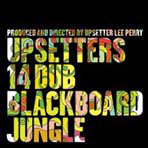
BLACKBOARD JUNGLE DUB * * * * *
At the end of 1973 Lee Perry released in Jamaica in limited quantity "Upsetters 14 Dub Blackboard Jungle". This is a seminal set. No arguing about that. Some say that this is the first Dub album to be issued. Around that time Herman Chin-Loy's "Aquarius Dub", Prince Buster's "The Message", Clive Chin's "Java Java Java Java" and Joe Gibbs' "Dub Serial" were also released, all of them reclaiming the status of first Dub set. So it is unclear which appeared at first. In any case "Upsetters 14 Dub Blackboard Jungle" is a landmark point inside the history of the Jamaican music. What Perry demonstrated was that he was able to deconstruct a rhythm to reach a totally different and new musical territory. These landscapes are sometimes terrific. The set opens with "Black Panta" versioning (but it would be more appropriate to say that this rhythm as with the others was deconstructed and reconstructed to finally provide something radically different) "Bucky Skank". Follows "V/S Panta Rock" versioning "Black Panta" in a Jazz Dub way with the addition of a trombone. The third track called "Khasha Macka" versions "Hot Tip" and is punctuated by an alternate drum that provides a strange stop and go effect. Follows "Elephant Rock" that versions The Hurricanes "You Can Run". This is maybe the best track of the set. The original rhythm is given a surreal new dimension through the use of an almost out of time drums. Masterpiece. The fifth track is "African Skank" versioning Junior Byles' "Place Called Africa". The sixth is a version of the Wailers "Dreamland" called "Dreamland Skank". The first side closes with "Jungle Jim" versioning Neville Grant's "Black Man's Time". The second side opens with the eighth track called "Drum Rock" versioning the "Fever" rhythm. Follows "Dub Organizer" with Dillinger paying a tribute to the great King Tubby. The tenth track is called "Lovers Skank" and it versions Chenley Duffus' "To Be A Lover". The Wailers appear again with a new treatment of "Keep On Mooving" here called "Mooving Skank". Follows "Apeman Skank" that reprises "Caveman Skank" from the previous album of "Scratch" called "Cloak & Dagger" (1973). The thirteenth track is "Jungle Skank" versioning "Water Pump". The closes with the Wailers "Kaya" here retitled "Kaya Skank". This set was engineered by Lee Perry and King Tubby. The players involved were: Horsemouth Wallace, Tin Legs, Carlton Barrett and Anthony Benbow Creary (drums); Aston Barrett, Lloyd Parks and Bagga Walker (bass); Alva Reggie Lewis, Tony Chin, Sangie Davis and Barrington Daley (guitar); Gladdy Anderson and Tommy McCook (piano); Glen Adams, Winston Wright and Touter Harvey (organ); Bobby Ellis (trumpet); Ron Wilson (trombone); Zoot "Skully" Sims, Sticky and Lee Perry (percussions); Augustus Pablo (melodica). The innovations provided by this set changed the way of the Dub practice, and only a few were able to record such strong material as Perry did. When it happened it was only for a couple of tracks, but not an entire album. He was ahead and maybe no one ever reached the higher hights of Lee "Scratch" Perry. Unmissable Dub creations from the genius of Mr. Rainford Hugh Perry. 01. Black Panta
RETURN OF THE WAX * * *
By the beginning of 1975 Perry released two experimental sets for DIP label. "Return Of The Wax" was the first and "Kung Fu Meets The Dragon" was the second. The former appeared in a limited edition as a blank label with no titles and collecting ten Dub tracks. One rhythm was later used for Michael Rose's (future member of Black Uhuru) "Observe Life" and another ("Deathly Hands") for Delroy Denton's "Different Experience". With the exception of "Samurai Swordsman" (a Dub version of Junior Byles "Curly Locks"), the remainng seven tracks are new instrumentals. All the tracks are basecally raw instrumentals. The pre-release atmosphere of the material contained here results quite hard to be completely appreciated and it should be considered as it is: experiments without the complexities of the far more important material released by Perry in the mid 70's. The interesting tracks come from side two with "One Armed Boxer" and "Big Boss". 01. Last Blood
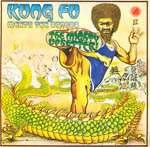
KUNG FU MEETS THE DRAGON * * * /
"Kung Fu Meets The Dragon" is the second instrumental set released by DIP label. Far from the almost unfinished abstractions of "Return Of The Wax", this set is cohesive and presents a more clear vision from Perry. This set was originally formed by ten tracks. But this reissue adds the 7" of "Enter The Dragon" and "Exit The Dragon", plus "Black Belt Jones" as a version of The Versatiles "Cutting Razor". Eight tracks are new instrumentals and two tracks are taken from other sources: "Kung Fu Man" comes from Linval Thompson and "Hold Them Kung Fu" is a version of Roy Shirley's "Hold Them". As stated before this set is more complex than "Return Of The Wax". The sound of a melodica is often present, and a synthesizer and horns on some tracks plus some overdubs provide a richer texture. With the Kung Fu films in mind Perry obtained an experimental set that even if it is far from what he reached with other releases recorded at the legendary Black Ark is in any case part of his efforts to deliver a personal and independent sound. 01. Enter The Dragon
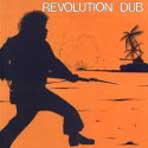
REVOLUTION DUB * * * * *
The third set released by Lee "Scratch" Perry in 1975 (after "Return Of The Wax" and "Kung Fu Meets The Dragon") was called "Revolution Dub". Using cross channel fadings, samples from the British sitcom "Doctor In The House" and single words echoing as never done before, Perry delivers a masterpiece. The set opens with "Dub Revolutions", followed by "Woman's Dub". The third track is "Kojak", versioning and deconstructing Bunny Clarke's "Move Out Of My Way". Follows "Doctor On The Go", with the before mentioned samples from the sitcom inserted in a revisitation of Junior Byles' "The Long Way" and Bunny Clarke's "Move Out Of My Way" . The fifth track that closes the original side one is "Bush Weed". Remanaging the Dub of "Bushweed Corntrash", Perry sings the here missing original melody line reaching dreadful effects. The second side of the set shifts to a more conventional approach with Perry singing and mumbling over fresh Dubs. It opens with the sixth track called "Dreadlock Talking", followed by "Own Man". The eighth track is called "Dub The Rhythm" which revisits "Feel The Rhythm". The set closes with "Rain Drops" over the rhythm of Jimmy Riley's "I've Never Had It So Good". "Revolution Dub" is somehow a double feature with edgy experiments on the first side and vocal oriented tracks on the second. The five tracks of the first side are terrific and can be considered standing at the same level of what is contained in the seminal "Upsetters 14 Dub Blackboard Jungle" (1973) and "Super Ape" (1976) sets. The second half of the set if compared to the first seems less interesting, but this is due to the stellar quality of the tracks contained on side one. At the end this is a very strong set, and even if it lacks the expected continuity and cohesiveness found in the before mentioned sets it remains from my point of view one of the highpeaks inside Perry musical visions. 01. Revolution Dub
(aka Dub Revelutions)
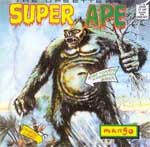
SUPER APE * * * * *
About "Super Ape" (1976) some millions words were written. What is sure is that this set is a corner stone inside Perry's career and inside Jamaican music. Some dismiss it simply as a Dub set cleverly conceived by The Upsetter. This attitude clearly demonstrates that those opinions come from someone that is far from knowing the story of the Jamaican music. There are basecally two kind of approaches when you find yourself in front of a work from an artist and you have to comment it: one is the critial approch and the second is the historian one. The former basecally allows any kind of comments since the critical approch belongs to the feelings; the latter is grounded on putting that work inside its historical perspective. Therefore it is intended to consider when, how and why that work is part of the history of that art discipline. So here I am. Since this site is intended to share my opinions, I must underline that this set is historically speaking a real landmark, since no kind of such deep and sophisticated exploration attempted before and very probably later ever reached the same results. Personally this is a demonstration of Lee's skills to enlight me. This is a huge set! Like if "Scratch" had to put inside a ten tracks album millions of sounds and the same extended Black Ark's ones. "Super Ape" condens and thickens (almost merges) a whole musical universe in ten (!) tracks. "Super Ape" is essentially a Dub concept album. For this set Perry employed the most different sources. The Heptones (on "Super Ape"), Prince Jazzbo (on "Super Ape" and "Croaking Lizard"), the Blue Bells (on "Dub Along"). Some tracks were previously used: Max Romeo used "Zion Blood" and "Black Vest" (the latter based on "War Ina Babylon"); Prince Jazzbo used "Dread Lion" (originally "Natty Pass Through Rome"). "Underground Root" was a dubplate by Clive Hunt called "From Creation". Perry even adds some vocals in some tracks. On drums: Mikey Boo, Richards and Ben Bow. On bass: Boris Gardiner. On guitar: Earl "Chinna" Smith. On piano: Keith Sterling. On horns: Bobby Ellis, Dirty Harry, Herman Marquis and Vin Gordon. On flute: Egbert Evans. On congos: Lee Perry and Scully Simms. The album was produced, recorded and mixed by Lee Perry at the Black Ark. A landmark. Unmissable. 01. Zion's Blood
ROAST FISH COLLIE WEED & CORN BREAD * * * /
"Roast Fish Collie Weed & Corn Bread" is the first album entirely faturing Lee Perry on vocals. Seven of the ten tracks presented are originals. The rest was inspired as follows: the title track is a remix of the track with the same title, "Big Neck Police" versions the masterful "Dreadlocks In Moonlight" and finally there is a recut of Junior Byles' "Curly Locks". Perry was never a real singer and his best material as vocalist - with few exemptions - was generally centered on an unconventional use of his voice through the use of different electronic devices. But this set presents some quite good tracks from the musical point of view. With strong players involved and Full Experience (a three female vocal group formed by Aura Lewis, Pamela Reed and Candy McKenzie) on backing vocals, the set is a brave attempt to deliver a set focused on Perry as a singer. The players are: Mikey Boo Richards and Sly Dunbar (drums), Boris Gardiner (bass), Earl "Chinna" Smith, Billy Boy and Geoffrey Chung (guitar), Winston Wright (organ), Lee Perry and Scully Simms (percussions). Not the best but also not the worst material as a vocalist, it seems more a set to enjoy himself with his friends in his own Studio. 01. Soul Fire
RETURN OF THE SUPER APE * * * * /
"Return Of The Super Ape" presents in its side one an actual return to the edgy experimental approaches to music so loved by Lee Perry and already perfectly achieved and delivered in the stellar "Super Ape" set from 1976. With Dub enforced by Jazz atmospheres this set almost reaches the level of the best recorded material by "Scratch". Actually the first side is made of five stars tracks. The second side, if compared to the first, is inferior with Perry singing on most of the tracks. Perry avoided the microphone on "Super Ape", and that is one of the reasons why that album delivered such perfect achievements. This ten tracks album opens with "Dyon Anaswa", slightly based on Roy Richards' "Freedom Blues". Here the backing vocals were provided by the female ensamble called Full Experience (Aura Lewis, Pamela Reed and Candy McKenzie). The second track is the title track ("Return Of The Super Ape") which revisits U Roy's "OK Corral". Perry creates an obscure musical settlement the seems to end somewhere fading slowly, but as the music decreases he makes the instruments start again from a new totally different point aimed to reach a new unseen target. This is Perry's genius at work. Follows "Tell Me Something Good", a track sung by Perry and versioning Rufus "Tell Me Something Good". The fourth track is called "Bird In Hand". The original track on which Perry made his alchemies is a Hindi song featured in an Indian film called "Babul" (1950) and directed by Raj Kapoor. This song called "Milte Hi Aankhein" was performed by Talat Mehmood and Shamshad Begun. The Jamaican Sam Carty proposed the song to Perry who accepted to record it. As to say "any source with the right treatment can lead somewhere". Indian atmospheres spiced by a Dub approach delivered an incredible result. Maybe something that only Lee was able to manage with such high results. The fifth track closing the first side is "Crab Yars", an instrumental focused on Jazz sounds. The sixth track opening the second side is called "Jah Jah Ah Natty Dread". Perry sings denouncing the baldheadness of the Pope. Follows "Psyche And Trim" and "The Lion", with the latter versioning The Hombres' "Africa". The nineth track is "Huzza A Hana". The set closes with "High Ranking Sammy". This set presents again Lee Perry avoiding any kind of conventional and commercial approach. While some other producers were struggling to recut and make shine again some vintage Studio One and Treasure Isle hits (and also trying to push new artists), Perry went straight ahead. Alone and independent he followed his unique and personal vision. It does not matter now if at the time "Return Of The Super Ape" (as with other releases) did not hit the market. What we can only say now is that Lee Perry changed things forever. Maybe not by this set, but through the whole golden 70's decade. Side one, again, is five stars music. 01. Dyon Anaswa -
Full Experience
BATTLE OF ARMAGIDEON (MILLIONAIRE LIQUIDATOR) * * *
"Battle of Armagideon (Millionaire Liquidator)" was recorded at the Thameside Studios (Rotherhithe, London) between November 1985 and March 1986. The base of the tracks were cut in three days and in the next four months Perry returned in the Studio to finish them. Incongruous but with a few interesting tracks, this is a strange set. The eleven tracks album opens with "Introducing Myself", a slow captivating rhythm with Perry announcing himself. Follows "Drum Song" based on the Beatles "Norwegian Wood". The third track is called "Grooving", a chant style song. The fourth track is "All Things Are Possible", versioning the classic "Return Of Django". Follows "Show Me That River", slightly based on Prince Buster's "Wash Wash". The sixth is "Time Marches On (In / Out Mix)" in an unclear track 47 seconds long. with Perry percussing an electric fire placed on top of his head as pictured on the back cover of the album sleeve. The following is the beautiful five stars track "I Am A Madman". Perry at his best! The song was originally called "The Cuntist" as a tribute to the female organ. At the end Perry changed the lyrics and the title (even if the passage "I Am the Cuntist" is still present). Legend has that Perry told the Jamaican people to repent but their answer was that he was mad. So Perry suggested that he did not say that he was mad but if they declared that, well he accepts it: "I Am A Madman". Incredible Perry's reasoning. The eighth track is "The Joker", followed by "Happy Birthday". Follows "Sexy Lady" as some sort of Disco-Funk song. The set closes with "Time Marches On" with Perry percussing an electric fire placed on top of his head as pictured on the back cover of the album sleeve. Two very good tracks, a stellar musical landscape ("I Am A Madman") and a great cover artwork. 01. Introducing Myself
FROM THE SECRET LABORATORY * * *
By the end of 1989 Lee Perry returned to London to cut his second album with the producer Adrian Sherwood after "Tme Boom X De Devil Dead" from 1987. The tracks in "From The Secret Laboratory" were recorded in three different places: Mixing Lab (Kingston, Jamaica), The Manor (Oxford) and the Matrix (London). This effected the final result providing instead different atmospheres. Highly accalimed once released, this set lacks a straight continuity. Shifting between almost Dancehall sounds, computer generated sounds and a general attempt to stay updated, this set is interesting only for a few tracks. The tracks that must be remembered are: the strong "Secret Laboratory (Scientific Dancehall)", "Vibrate On", "You Thought I Was Dead", "Push, Push" and the closing track called "Seven Devils Dead". These proved again Perry's musical unique vision, the rest are overrated. 01. Secret Laboratory (Scientific
Dancehall)
LORD GOD MUZICK * * * *
"Lord God Muzick" was recorded at Channel One (Kingston, Jamaica) in December 1990. Perry accepted the invitation of Niney The Observer to voice an album for Heartbeat, and as a result they produced this set together, with Niney adding live instruments to the digital based rhythms. This solution made the difference. With Perry a lot less off key than usual, strong and shining, and Niney jerk seasoning the songs that way... well, the result is among the best material after the not so impressive 80's decade. With players involved as (picking casually in the list) Lincoln Valentine "Style" Scott (drums), Flabba Holt (bass), Earl "Chinna" Smith (guitar), Uzziah "Sticky" Thompson (percussion), Deadly Headly (saxophone), Bobby Ellis (trumpet) and Vin Gordon (trombone), the resul had to be impressive. This relaxed album is. It sounds as if Perry, even if in those days in Kingston he was facing a lot of troubles to manage, did not need to demonstrate anything. As if there in Kingston he did not have to fake or imitate anybody, especially himself. Confident (maybe that is why his is almost on key) and subtained by great music, Perry "Lord God Muzick" is a very good album. The only track to avoid is a strange remake of The Wailers' "Who Colt The Game"!. The album opens with "Free Us", musically enforced by maybe too much digital devices, that set a good opening for the better material that follows. Relaxed even in the faster songs as with "Lightning And Thunder Flash", "Angel Gabriel And The Space Boots" or those that really pulse as with "Happy Birthday Marcus", this is one Lee "Scratch" Perry missed during the 80's with the exception of a few tracks only. The hurricane rhythm of "Hot Shit" is sung by a fiftyfour years old wise man from Jamaica called Lee "Scratch". On the other side he also delivers a horns flowing song as "Reggae Emperor" that is really a big embrace with the past. "Collie Ruler" opening with the classic "Rock Fort Rock" rhythm is a strong, captivating and for sure five stars. The album closes with "Lee In The Heartbeat" a beautiful fiftythree seconds sort of fast Nyahbinghi - Blues oriented "bye bye". This was a worth journey back home, at least musically speaking. 01. Free Us
ALIEN STARMAN * * /
"Alien Starman" follows the "Jamaican E.T." album from the previous year. That set was awarded the Grammy award for Best Reggae Album in 2003. But it was not that great. With "Alien Starman", the fifteen tracks recorded at the Ro-Lo Studios in Coventry, (England) and again co-produced with Roger Lomas flow too easily only delivering some higher peaks from time to time. The tracks to save are "On The Streets Again", "Holyness" and "I Believe In Miracles". Quite average material. 1. Sound Of The Underground |
 1968-2002 - Trojan - studio
- discs:3
1968-2002 - Trojan - studio
- discs:3 1975-1979 - Island - studio
- discs:3
1975-1979 - Island - studio
- discs:3 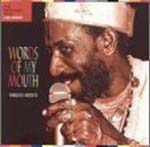 1973-1975 - Trojan - studio
- discs:1
1973-1975 - Trojan - studio
- discs:1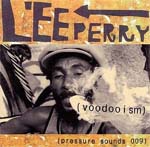 1975-1977 - Pressure Sounds - studio
- discs:1
1975-1977 - Pressure Sounds - studio
- discs:1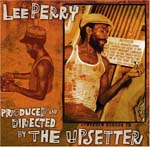 1973-1978 - Pressure Sounds - studio
- discs:1
1973-1978 - Pressure Sounds - studio
- discs:1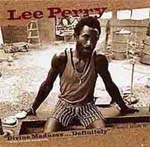 1974-1978 - Pressure Sounds - studio
- discs:2
1974-1978 - Pressure Sounds - studio
- discs:2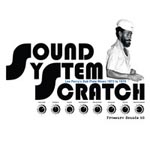 1973-1979 - Pressure Sounds - studio -
discs:1
1973-1979 - Pressure Sounds - studio -
discs:1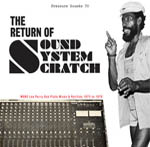 1973-1979- Pressure Sounds - studio -
discs:1
1973-1979- Pressure Sounds - studio -
discs:1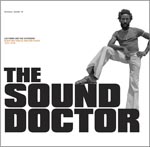 1972-1978 - Pressure Sounds - studio - discs: 1
 1976 - Pressure
Sounds - studio - discs:1
1976 - Pressure
Sounds - studio - discs:1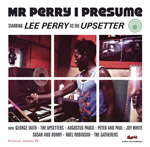 1974-1977 - Pressure
Sounds - studio - discs:1
1974-1977 - Pressure
Sounds - studio - discs:1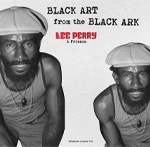 1974-1977 (?) - Pressure
Sounds - studio - discs:1
1974-1977 (?) - Pressure
Sounds - studio - discs:1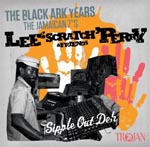 1974-1978 - Trojan - studio - discs:2
 1969 - Trojan - studio
- discs:1
1969 - Trojan - studio
- discs:1 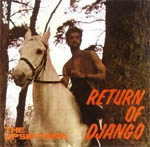 1969 - Trojan - studio
- discs:1
1969 - Trojan - studio
- discs:1 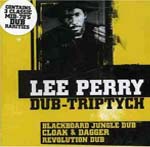 1973 - Trojan - studio
- discs:1
1973 - Trojan - studio
- discs:1 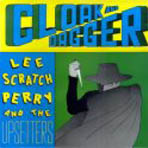 Black Art cover - LP
 Rhino UK cover - LP
 Original
cover
Original
cover 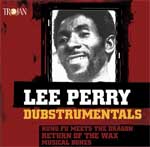 1975 - Trojan - studio
- discs:1
1975 - Trojan - studio
- discs:1 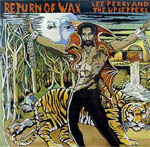 Original cover - LP
 Original cover - LP
 Original cover
 1976 - Island - studio
- discs:1
1976 - Island - studio
- discs:1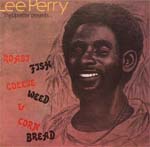 1978 - VP - studio
- discs:1
1978 - VP - studio
- discs:1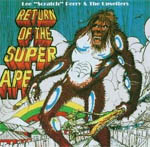 1978 - VP - studio
- discs:1
1978 - VP - studio
- discs:1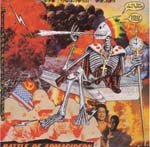 1986 - Trojan - studio
- discs:1
1986 - Trojan - studio
- discs:1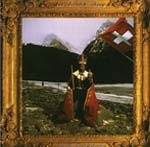 1990 - Island - studio
- discs:1
1990 - Island - studio
- discs:1 1990 - Heartbeat - studio
- discs:1
1990 - Heartbeat - studio
- discs:1 2003 - Secret Records - studio
- discs:1
2003 - Secret Records - studio
- discs:1